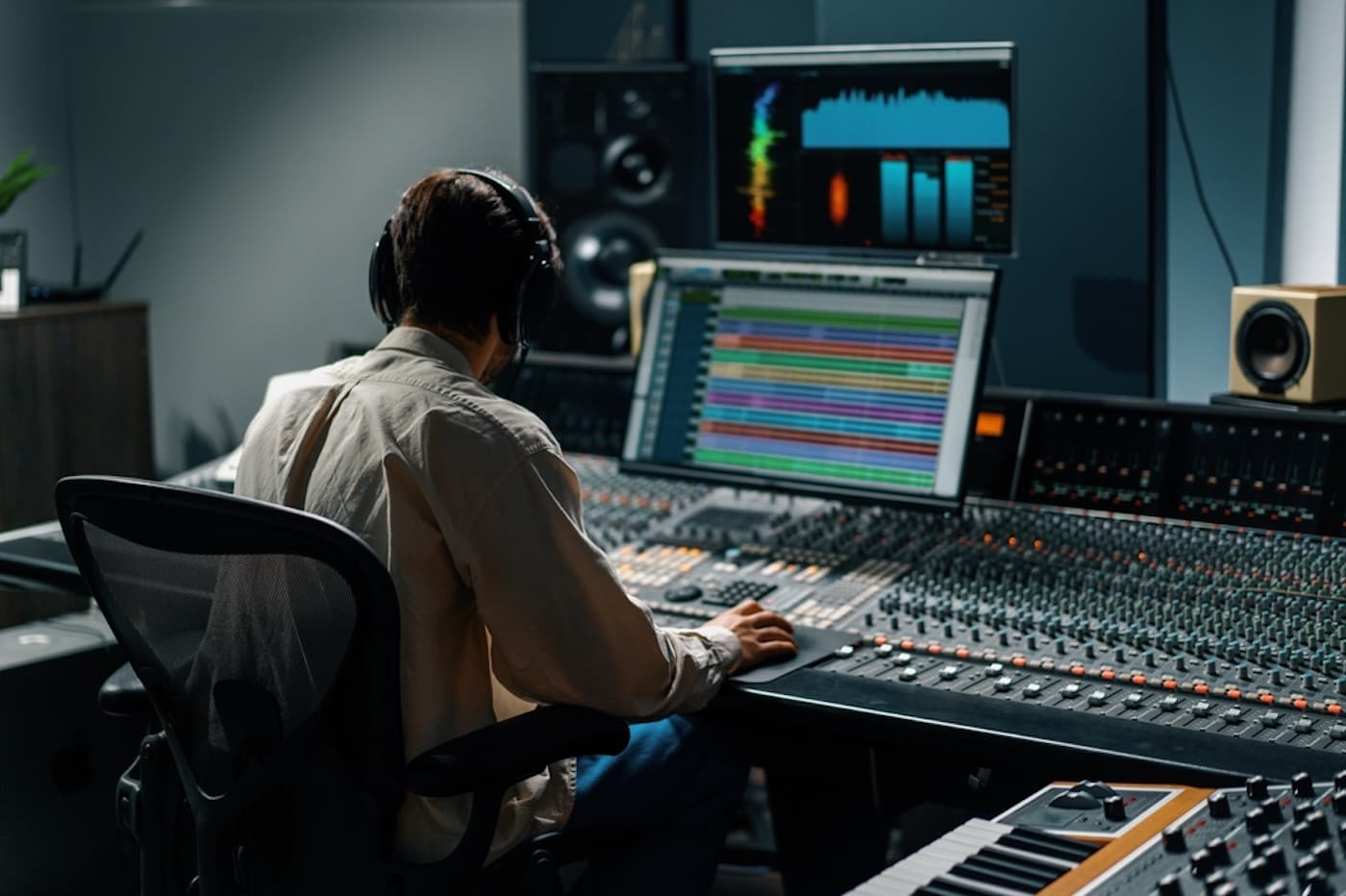
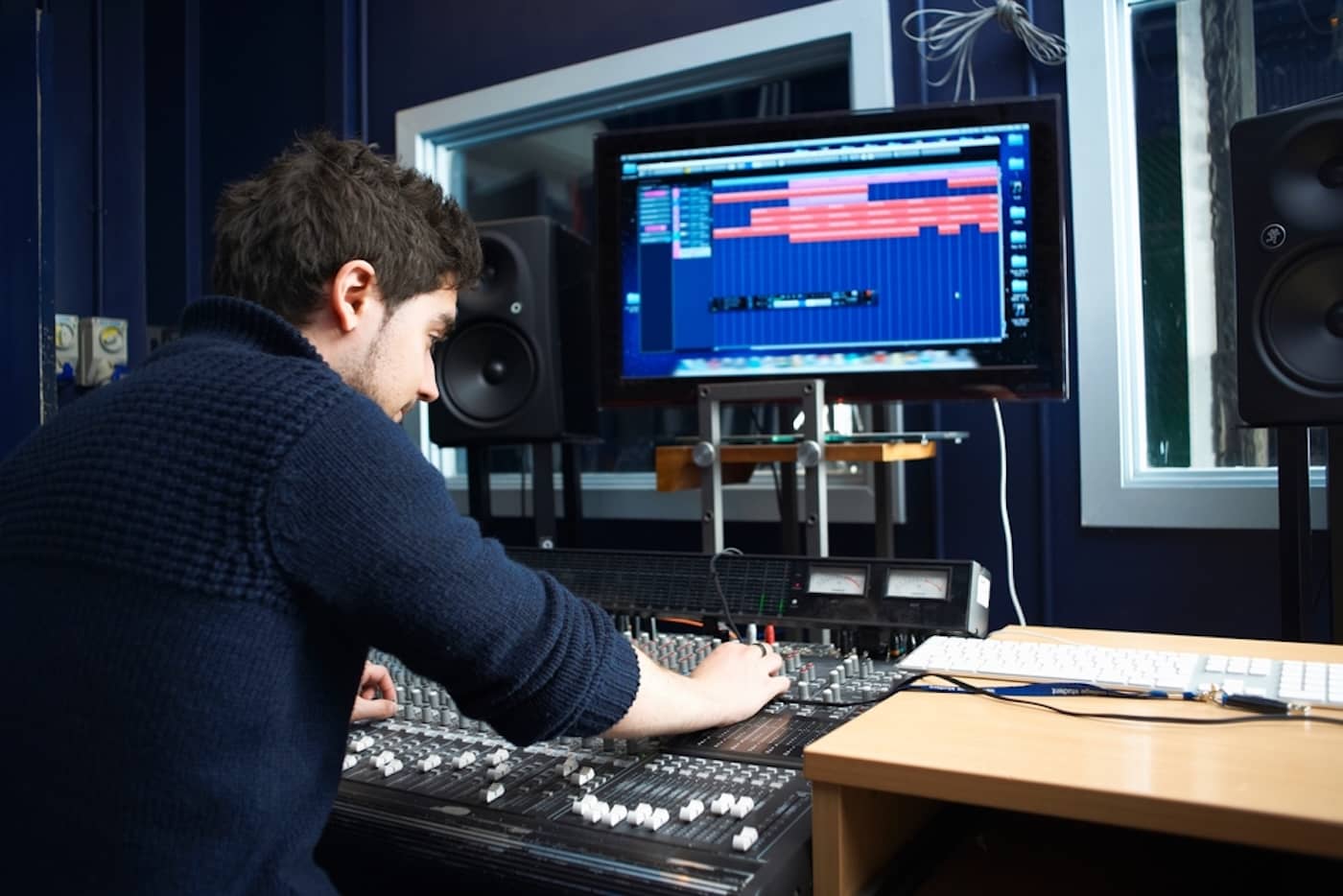
The music industry is changing fast, and staying ahead of these shifts can make a real difference in your career.
New technologies like AI, immersive audio, and creator platforms are giving you more ways to make music, reach fans, and earn money.
This guide breaks down the top 10 music industry trends you need to know, and how you can use them to adapt, grow, and thrive in today’s industry.
Get Early Access
To Promo Hype
Top 10 Music Industry Trends For 2025
With new technology opening up new possibilities for artists and record labels alike, the music industry is in a period of transition.
Here are 10 music industry trends reshaping the year, from music production innovations to new approaches to live performances.
10. Rise Of ADHD-Friendly Background Music
Using background music to study or relax is nothing new, but the trend for ADHD-friendly tracks has recently expanded online.
With the rise of remote working and greater public awareness of ADHD, the popularity of background tracks has surged.
The result is an entire sub-category of music production oriented specifically toward ADHD listeners, bolstered across major streaming services.
Spotify, Apple Music, and YouTube offer countless playlists of ADHD-friendly background music, curated by many successful contributors.
This growth has been fuelled by the presence of neurodivergent people in electronic music, who apply their personal experiences to their productions.
Additionally, apps like Brain.fm and other AI-generated music tools make it easier than ever for people to mix music and create personalized sounds.
Recommended read: The 10 best online music production courses.
9. Growing Popularity Of Physical Formats
Taking a longer view of historical music consumption trends, it’s tempting to dismiss physical media as a thing of the past.
While CDs and vinyl records might no longer hold the dominant position they once did, there’s been a consistent resurgence in recent years.
Listening to music on streaming services may have its advantages, but fans increasingly feel the absence of a tangible product.
The result is a surge in the popularity of CDs, vinyl, and even cassette tapes that’s showing no signs of slowing down.
Many independent artists have recognized this desire to buy their releases, offering beautiful packaging and exclusive content.
To meet this consumer demand, artists release limited-edition physical copies, adorned with stunning artwork and informative liner notes.
It’s a practice that continues throughout the industry, from niche artists to limited-edition Grammy-nominated box-set reissues.
As the collector culture expands, releasing a new EP or album on CD and vinyl record will become increasingly common for artists.
8. Live Music & Hybrid Experiences
Just as the relationship between digital and physical media continues to evolve, so too is live music influenced by digital media.
This interrelationship is apparent in the rise of live performances that blend in-person events with virtual and augmented reality.
By pairing live music with online spaces, artists can get gigs that reach thousands more fans at no extra cost.
The model also expands monetization options, selling both traditional and virtual tickets, as well as digital and physical merchandise.
Reflecting this evolution are powerful new video tools featured in music production software, allowing artists to pair video and audio.
Hybrid performances have already become a regular fixture at major festivals, with Glastonbury among the most notable to adopt the approach.
The concept has also been combined with Q&A sessions and virtual meet-and-greets to offer fans more ways to connect with artists.
As more artists and labels adopt a full-sensory approach to live performances, investment in immersive technology will expand.
7. Genre-Blending Artists
Music genres have always had a symbiotic relationship, from the emergence of jazz to the rock subgenres of the 20th century.
This approach to drawing on multiple genres for new styles has accelerated in recent years due to the globalization of the music scene.
While popular music genres continue to dominate commercial charts, innovative new genres are emerging on the fringes.
New hybrid genres reflect this genre-blending approach from Gen Z songwriters and producers willing to venture into new territory.
From pop-rap to witch house, artists are writing songs that defy traditional categorization and reflect international musical tastes.
Essential resource: A beginner’s guide to music theory.
6. Spatial Audio & 3D Sound Design
The concept of all-encompassing, unique sound design isn’t new; it’s been applied to movie productions since Star Wars was released in 1977.
Its application in the music creation process is a relatively recent trend, with more artists making music that takes advantage of spatiality.
Part of its ascension into the music creation scene has come through its adoption by streaming platforms like Apple Music and TIDAL.
Music using Dolby Atmos mixes is eligible for higher royalties, incentivizing the adoption of formats that deliver immersive experiences.
Likewise, Amazon Music Unlimited has embraced Sony 360 Reality Audio, and Spotify has also shared new spatial audio content.
With software such as Pro Tools, Cubase, and Logic Pro supporting Atmos-based music creation, the format will continue to grow.
5. Social Media & Music Discovery
While the public’s social media habits may change, the overall role of these platforms in music discovery will continue to expand.
MySpace may have laid the foundations for social media’s role in the industry, but platforms like TikTok and Instagram are leading it today.
The emergence of short-form video content that drives awareness has transformed music discovery into viral “hooks”.
While going viral on TikTok isn’t guaranteed, artists can still leverage these platforms to deliver hyper-personalized content to their fans.
The social media giants are also deploying powerful AI tools to help users connect with content that matches their tastes.
Content from Instagram Reels and YouTube Shorts has also become a leading source of reference for music managers seeking new talent.
As these platforms develop new and powerful tools for emerging artists, social media’s influence on trends will continue to grow.
Get Early Access
To Promo Hype
4. Blockchain Integration & NFTs
Blockchain technology has been relatively slow to bleed into other industries, often associated with cryptocurrencies.
While it remains at the forefront of the FinTech sector, blockchain’s role in music creation and authorship is becoming more prominent.
Blockchain’s ability to allow artists to bypass traditional labels and music publishing control and reach audiences directly has significant implications.
Combined with cryptocurrencies that enable faster payments and higher royalties, it’s likely to be increasingly adopted by artists.
It’s also closely tied to the emergence of smart contracts, which create self-executing, automated agreements between artists and contributors.
This potential is combined with the role of Non-Fungible Tokens (NFTs) in the music scene, which expands artists’ monetization options.
NFTs are among the many rising pillars of direct-to-fan engagement, allowing fans to become stakeholders in their careers.
Whether used by fans to access personalized experiences or as digital merchandise, NFTs will play an increasingly significant role in revenue streams.
3. The Rise Of Independent Artists
Online distribution platforms and accessible production tools have had a democratizing influence on the industry for some time.
With major labels signing fewer artists, the result is a rise in successful independent artists, who are becoming a dominant force in the industry.
Digital distribution platforms, social media, and other technologies that empower independents have all converged with positive effect.
While indie artists faced gatekeeping from industry professionals, today, they can reach millions of potential fans with minimal budget.
At the same time, they can work on their creative process without oversight from managers who don’t share their personal vision.
Independent songwriters can also maintain greater control over their revenue, from physical media sales to streaming royalties.
As such, it’s perhaps not surprising that they continue to increase their market share, generating an estimated $2.5 billion in revenue in 2024.
It’s a trend that major-label artists have caught on to, with many notable acts releasing independently outside the corporate system.
2. Artificial Intelligence In Music Creation
Artificial intelligence and music have a long history, but it’s only in recent years that the technology has entered the mainstream discourse.
From comprehensive AI production tools to AI-generation software for creating complete tracks, it’s become ubiquitous in the music scene.
The technology is already applied to all aspects of songwriting, composition, and the overall music production process.
Tools like Band-in-a-Box are adept at everything from writing lyrics and melodies to suggesting chord progressions.
Additionally, AI-driven virtual instruments and synthesizers are changing the game for artists, with high-level tools previously inaccessible.
While concerns about authenticity in AI music production tools are valid, their place in the industry’s future is guaranteed.
Learn more: What does a music producer do?
1. Constantly Evolving Streaming Services
While streaming services have been a dominant force in the industry for years, they’re constantly adapting to new changes.
This includes making the belated transition to high-fidelity, lossless audio formats, which previously were offered only to TIDAL subscribers.
Additionally, streaming services are expanding their media, incorporating music videos, podcasts, and audiobooks for members.
For artists who rely on these platforms for music royalties, trends toward fairer compensation make them more attractive for distribution.
Likewise, the rise of music distribution services is making it easier for artists to manage their schedules across multiple streaming platforms.
By using these services, indie artists can analyze massive amounts of user data and make informed decisions about distribution and promotion.
How To Capitalize On Music Industry Trends
If you’re an up-and-coming singer-songwriter or experienced producer, there are methods you can adopt to capitalize on these trends.
Consider the following strategies when releasing and promoting your music to build an audience of loyal fans:
- Tailor your releases for playlists: As any up-and-coming artist appreciates, landing a spot on one of the major streaming service’s editorial playlists can make a significant difference in exposure. By tailoring your releases to editorial moods and themes, you can increase your chances of being included in Discover Weekly and similar playlists.
- Diversify your content creation strategy: Successful artists understand the importance of a fully realized content strategy that goes beyond releasing music. Behind-the-scenes videos, recording sessions, and other media are essential to a complete music marketing strategy.
- Capitalize on direct-to-fan platforms: With social media and direct-to-fan platforms connecting artists with their audience, traditional industry professionals can often be bypassed. Use email marketing, subscription services like Patreon and Kickstarter, and online communities to speak directly to music lovers.
By leveraging new technology and online platforms, artists can stand out from the competition and flourish creatively.
Read this next: How to make money as a music producer.
Other Notable Music Industry Trends
With the industry in a period of dynamic change, the opportunities and resources for starting a music career have never been better.
Here are some other notable trends in the music industry to keep track of when releasing new music:
- The growth of micro-sync licensing: While traditionally, sync licensing focused on pairing artists’ works with legacy media, such as TV and movies, today’s landscape is more complex. The rise of micro-sync licensing has expanded the concept to include social media, YouTube, digital ads, and video games.
- Short-form songs and hooks: Tangential to the growth of micro-sync licensing and social media is the growing role of short-form songs and hooks in promotion. In addition to releasing a song on streaming platforms, many artists produce shorter versions accompanied by video footage, tailored for TikTok and Instagram.
- Virtual and augmented reality technology: While 3D and spatial sound engineering play a larger role in the creative process, so too are VR and AR reshaping how artists present performances. With a tech-savvy new generation of music fans to appeal to, these immersive experiences are likely to rise in popularity.
These and other industry trends point to a Golden Age for independent artists looking to break into the music scene.
Summary
The music industry is entering an exciting new phase shaped by emerging technologies, new platforms, and shifting listener behavior.
Whether you’re a new producer or an established artist, understanding these trends is key to growing your career.
By learning from the trends above and adapting early, you can boost your creativity, streamline your workflow, and deepen your connection with fans.
Get Early Access
To Promo Hype
Join Promo Hype

Want the latest Unsigned Advice?
Subscribe to our mailing list to get tips, tricks and hacks straight to your inbox!