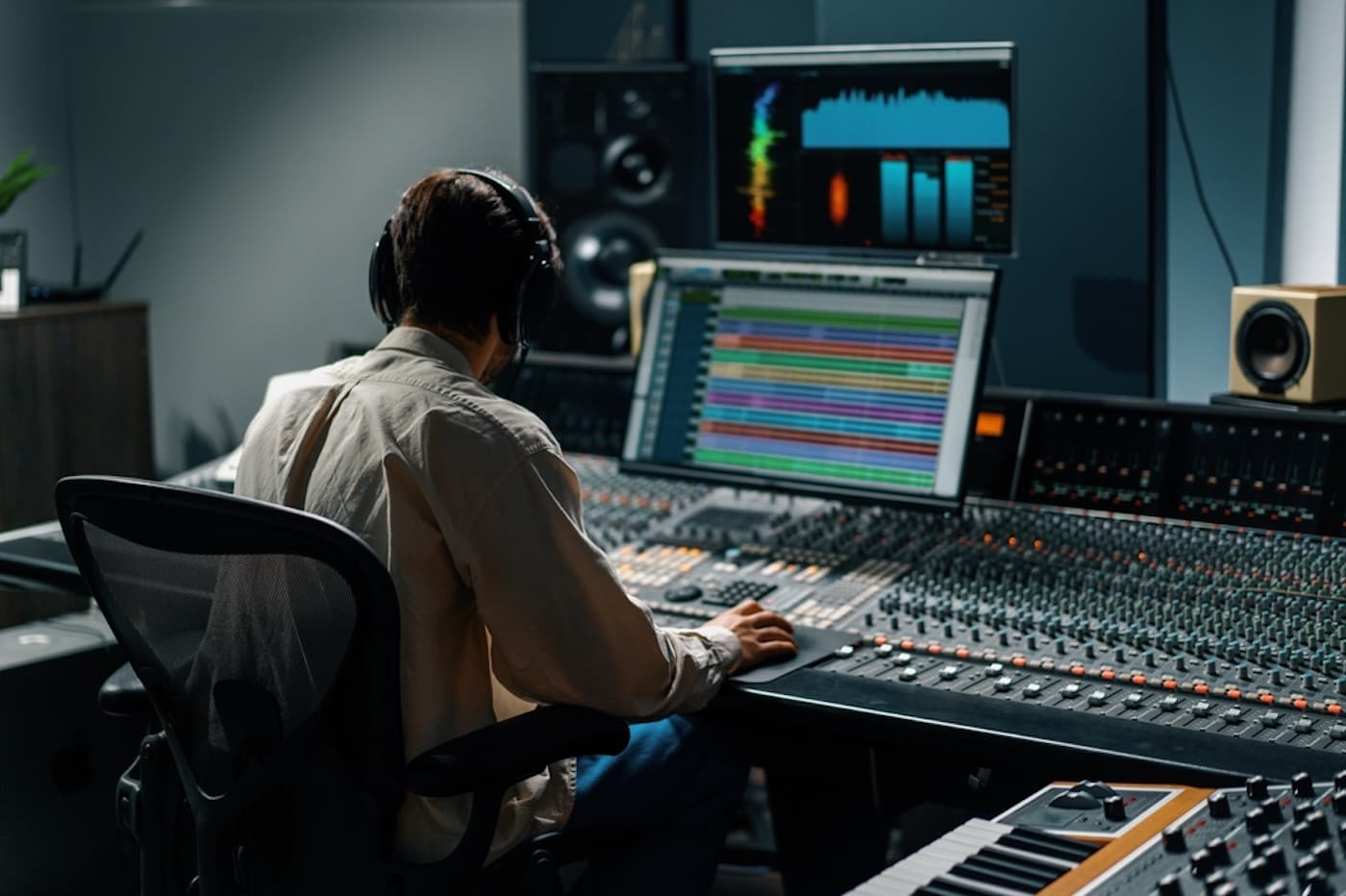
Independent artists now make up one of the most influential groups in modern music, driven by streaming platforms, DIY distribution, and direct-to-fan tools.
Musicians no longer need major-label backing to build an audience, release music, or earn a living, giving them more creative and financial control than ever before.
This guide explains what independent artists are, how the modern music landscape has changed, and the practical steps you can follow to grow your career as an independent artist.
Get Early Access
To Promo Hype
What Are Independent Artists?
Independent artists are singer-songwriters, musicians, bands, and producers who function outside the control of a major label.
The arrangement allows them to retain greater creative control, writing songs that resonate with their experiences and connect with fans.
Independent artists are also responsible for managing aspects of their careers, like distribution, promotion, and fan engagement.
In some cases, they partner with smaller independent record labels, which handle new releases without interfering with the artist’s creativity.
Types Of Independent Artists
Broadly speaking, there are three main types of independent artists working in the music industry, each with varying degrees of control.
These types can be found throughout popular music genres and are categorized in the following ways:
- Do-it-yourself artists: These independent artists handle all aspects of their careers, using self-promotion, grassroots word of mouth, and digital distribution services.
- Semi-independent artists: Artists who use label services to assist with managing distribution, promotion, and other functions through an agreed-upon budget are classed as semi-independent.
- Independent label artists: Indie label artists can access more resources and financing while often retaining full control over their artistic vision.
Each of these models has pros and cons, depending on revenue-sharing agreements and the degree of control over career decisions.
Learn more: What does a music producer do?
Independent Artists vs. Major Artists
The previous perception of major-label support as a golden ticket to success has been significantly undermined in recent years.
With more musicians releasing their own music than ever before, staying independent appeals to both emerging and established acts.
Indie artists are well-positioned to understand how the music industry works without major-label financial backing.
They’re also able to keep a higher percentage of gross revenue share while accessing the same revenue streams.
While major labels can streamline processes like submitting music to radio stations, robust tools for independent artists are plentiful.
The result is a shifting dynamic in the way music is made and distributed, leading to well-known acts cutting ties with major record labels.
Pros & Cons Of Independence
As with other arrangements, being an independent artist has benefits and trade-offs that need to be considered.
Here are some pros and cons of making music and building a career independently:
Pros Of Independence
- Complete creative control over your artistic direction, from the style of music you make to how you craft your on-stage persona.
- Control of your music’s ownership and copyright, ensuring higher earnings from streaming platforms and other income sources.
- The ability to decide how to engage with your fans, building lively communities of like-minded music lovers who support your work.
Cons Of Independence
- Potential financial instability, particularly for up-and-coming artists who are still building a loyal following
- Lack of access to high-end music production software and recording facilities, although consumer-friendly options can deliver impressive results.
- Limited options for marketing and promotion due to a lack of industry contacts and budgets for ad campaigns.
How To Make It As An Independent Artist
Breaking into the music industry can feel overwhelming for new artists, especially when navigating all the moving parts on your own.
These 10 steps will show you how to make it as an independent artist while building a strong artistic identity.
Step 1: Develop An Authentic Sound
With the rise of AI-generated content across all entertainment, the desire for authentic voices has never been stronger.
Indie artists can use their creative control to full effect, experimenting with all aspects of song structure to craft a unique sound.
Vocal inflections and instrumental arrangements can then be enhanced through production techniques to create additional atmosphere.
Developing an understanding of music theory will help this evolutionary process refine and improve compositions.
Discover more: How to read sheet music.
Step 2: Build A Distinct Artist Brand
A clear, well-defined artist brand is essential for leaving a lasting impression and is closely tied to your artistic voice.
It begins with core branding elements, such as artist or band logos, which can be used on releases, social media, and band websites.
A distinct brand should visually capture the essence of your music, with bold colors and logos that fit your genre.
Researching how established artists present their work and any challenges they’ve overcome will inspire your personal branding.
Step 3: Grow Through Social Media
Social media has proven to be a game-changer for many emerging artists, enabling them to go viral on TikTok and build vast followings.
While viral success isn’t guaranteed, platforms like Facebook, TikTok, Instagram, and others remain vital for generating buzz.
You can schedule regular posts to build anticipation for upcoming releases and leverage the comments section for engagement.
Step 4: Master Music Production
Releasing unpolished or substandard music is a surefire way to damage your reputation and leave a poor impression.
Fortunately, the best DAWs offer professional-level tools that can elevate your songs with rich, atmospheric textures.
Take the time to learn how MIDI works and explore effects and virtual instruments that might improve your productions.
If you have the time and resources, consider attending a music production school or referencing online tutorials.
Step 5: Use Crowdfunding and Fan Support
A lack of financial support is one of the most common obstacles to independent artists achieving success.
By tapping into your grassroots support, you can reach out to fans and encourage them to support your crowdfunding campaign.
Patreon and Kickstarter are both popular sites for musicians, with fan donations allowing you to secure your future projects.
You can offer early access to new releases or discounted merchandise to fans who make donations supporting your efforts.
Get Early Access
To Promo Hype
Step 6: Launch Your Own Record Label
While the DIY approach has the least amount of friction, some independent artists opt to start a record label to release their tracks.
This option is particularly beneficial for established artists with larger back catalogs of singles, EPs, and albums ready to launch.
It’s also an excellent way for artist collectives to collaborate on multiple projects, remixing one another’s songs.
Step 7: Maximize Your Music Distribution
It goes without saying that digital platforms are the dominant force in music distribution today, particularly the major streaming platforms.
Spotify, Apple Music, YouTube Music, and, to a lesser degree, TIDAL each have extensive user bases for indie artists to tap into.
Managing multiple accounts can be time-consuming, which is where music distribution services come into play.
Artists can use these services to schedule upcoming releases across all streaming platforms, monitoring performance and listener habits.
Step 8: Diversify Your Income Streams
While revenue from digital streams and downloads is consistent, it should be combined with other income sources.
Selling merch and releasing limited-edition physical media on vinyl and CDs can boost revenue from committed fans.
Experimenting with band merch ideas, such as for upcoming releases and tours or special occasions, will help you refine your selection.
You can sell them through print-on-demand services or directly to fans by setting up an online store on your artist website.
Step 9: Self-Promote & Market Your Music
Since independent artists lack the money and resources for large marketing campaigns, self-promotion is vital for getting heard.
You don’t need a big budget to start marketing your music, leveraging social media, free design tools, and music blogs.
Many acts submit their music to playlists on Spotify and elsewhere, or work with other content creators outside the music space.
By adopting multiple strategies, you can promote your music and upcoming concerts with minimal investment.
Step 10: Engage Directly With Your Fans
Just as there are free music marketing tools you can use, so too can direct-to-fan engagement deliver impressive results at no cost.
Bypassing traditional industry gatekeepers, direct-to-fan engagement gives you complete control over your relationship with your audience.
It includes social media, email newsletters, personal and group chats on crowdfunding platforms, and online fan communities.
Essential reading: Top 10 record labels looking for artists.
Tools & Resources for Independent Artists
Independent musicians and artists are increasingly well served by tools and resources for producing and distributing excellent music.
Here are our recommendations for software and other essential resources to transform your music journey into a success story:
- Free digital audio workstations: Independent artists can thrive without requiring access to professional studios. There are powerful free DAWs like Audacity and GarageBand (for Apple users) that deliver impressive results, as well as free VST plugins.
- Electronic press kit (EPK) templates: If you’re launching a new single or want to get your music heard by an indie label, you can reach out with an electronic press kit. Create one from scratch, or use an online template, tailoring it for a record deal or to get your music featured in the media.
- Music industry grants: Up-and-coming artists often struggle to secure financial support, but the best music grants can help cover equipment and studio time. Research the grants available in your area and check whether you’re eligible to apply.
If you’re struggling with a specific task, check out tutorials on YouTube or sign up for an appropriate online music course.
Common Mistakes Independent Artists Make
The financial and creative freedom associated with independent artists doesn’t come without potential challenges.
Here are some of the common mistakes made by independent musicians and artists, and how you can overcome them:
- Overlooking business responsibilities: Musicians and songwriters have a unique skill set that often doesn’t align with business acumen. This can lead to overlooking administrative responsibilities and not properly registering their songs with royalty-based collection organizations.
- Inconsistent and slow release schedules: Building a strong fan base requires a consistent approach to releases, whether singles, albums, or EPs. Failure to do so makes it harder to build and sustain momentum through an expanded discography for fans to explore.
- Poor audio quality that omits mastering: Songs that haven’t been professionally mixed and mastered can fail to land with the impact they deserve when distributed to global audiences. This can be accomplished for a small fee while delivering a significant improvement in audio quality.
By understanding how to avoid these potential obstacles and learning from professionals, you can increase your chances of success.
Most Successful Independent Artists
It isn’t just smaller artists who release music independently; many notable acts with international reach do so as well.
Here are some notable examples of successful independent artists who have consistently worked outside the major label system:
- Chance the Rapper: An inspiration to emerging hip-hop artists, Chance the Rapper’s focus on streaming platforms set the standard for online distribution.
- Frank Ocean: Following a period of work with Def Jam Records, Frank Ocean cut ties with the label and has focused on independent releases, including the critically acclaimed album, Blonde.
- The Arctic Monkeys: The UK rock band The Arctic Monkeys has released music consistently through the independent record label Domino Recordings.
Other notable artists who have achieved independent success include Mya, Macklemore, and Boyce Avenue.
Related reading: How to get signed to a record label.
FAQs About Independent Artists
In case you still have any questions about independent artists, here are some answers to FAQs on the subject.
How do independent artists get paid?
Independent musicians and other artists can make money with music through multiple sources, including digital platforms and physical media.
Combined with merchandise sales and revenue from live shows, artists can get paid through a diverse range of streams.
What skills do independent artists need?
In addition to excellent songwriting, indie artists must cultivate skills to craft an image or persona and build communities with fans.
They should also master their music production equipment to ensure their tracks sound rich and expressive on all listening devices.
How often should independent artists release new music?
While release schedules vary, most artists aim to release a new single every six to eight weeks, with longer intervals for albums.
This schedule can be enhanced by releasing remixes and other edits intermittently to maintain interest over time.
Summary
Independent artists have more tools and opportunities than ever to create music, reach fans, and build sustainable careers without major-label support.
Success comes from combining creativity with consistent releases, smart promotion, and a clear understanding of how today’s music landscape operates.
By applying the steps and strategies in this guide, you can grow your career as an independent artist and take complete control of your creative future.
Get Early Access
To Promo Hype
Join Promo Hype

Want the latest Unsigned Advice?
Subscribe to our mailing list to get tips, tricks and hacks straight to your inbox!